How AI Is Transforming Agriculture Across Africa
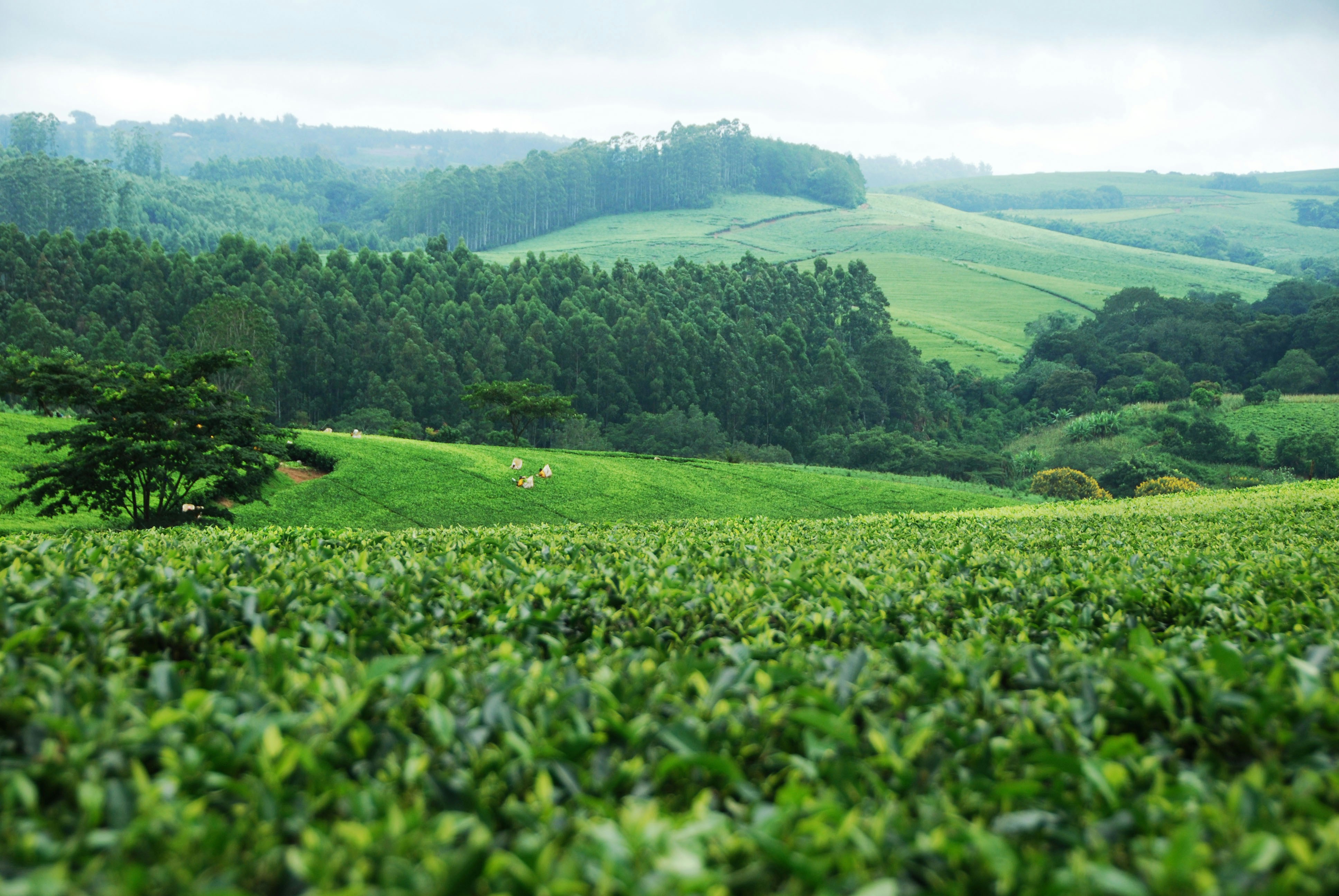
Agriculture remains the backbone of many African economies, employing over 60% of the continent’s workforce. Yet the sector has long been plagued by inefficiencies — unpredictable weather, pest outbreaks, and limited access to market data. Artificial intelligence is beginning to change that.
Predictive Analytics for Crop Management
Machine learning models trained on satellite imagery, soil data, and historical weather patterns can now forecast crop yields with remarkable accuracy. For smallholder farmers who lack the resources for large-scale agronomic studies, these tools provide actionable insights that were previously out of reach.
At Revolution Analytics, we have worked with agricultural organisations to build models that predict harvest volumes weeks in advance, allowing cooperatives to plan logistics and negotiate better prices with buyers.
Early Pest and Disease Detection
Computer vision systems deployed on mobile phones can identify crop diseases from a single photograph. Farmers no longer need to wait for an extension officer to visit — they can get a diagnosis and treatment recommendation in seconds.
This is particularly impactful in regions where the ratio of agricultural extension workers to farmers is as low as 1:5,000.
Market Price Forecasting
Price volatility is one of the biggest risks facing African farmers. AI-driven price forecasting models analyse trade volumes, currency fluctuations, and seasonal trends to give farmers a clearer picture of when and where to sell their produce.
The Road Ahead
The real challenge is not building these models — it is deploying them at scale in environments with limited connectivity and low digital literacy. Solutions need to work offline, support local languages, and integrate with the tools farmers already use, such as USSD-based mobile services.
AI will not replace the expertise of farmers who have worked the land for generations. But it can augment their decision-making and help close the information gap that has held African agriculture back for decades.